
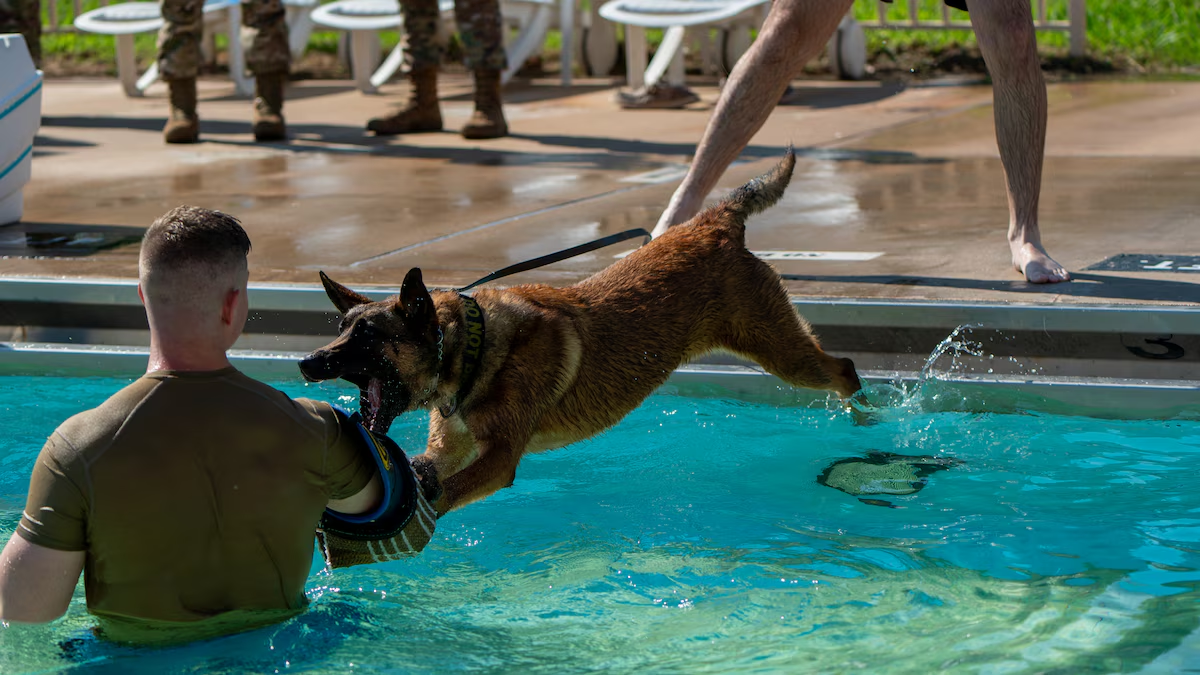
Dock Tips: Getting a dog on dock ready for water jumps requires patience, consistency, and the right techniques. At Rob’s Dog Training, the approach focuses on building confidence first, ensuring each dog enjoys the process rather than feeling pressured. Starting with positive reinforcement like treats, toys, or verbal praise helps a dog on dock associate jumping with fun and reward. Begin with short, low-height jumps and gradually increase distance as skills improve, always keeping sessions brief to prevent stress.
Careful observation of body language is crucial: tail position, ear movement, and hesitation at the edge of the dock all indicate comfort levels. Adjustments can include lowering jump heights, adding step-by-step encouragement, or practicing on land before attempting water jumps. Incorporating motivation techniques, such as favorite toys or a trusted handler’s encouragement, strengthens a dog’s willingness to take each leap. With a structured plan, a dog on dock not only gains skill but develops trust in the process, creating a safer, more enjoyable, and rewarding experience.
Essential Steps to Train a Dog on Dock
Familiarization: Begin by letting the dog on dock explore the area at its own pace. Walking, sniffing, and even sitting on the dock without pressure helps the dog become comfortable with the new environment. At Rob’s Dog Training, it’s recommended to spend multiple sessions just on familiarization, allowing dogs to approach the water confidently without feeling rushed. Using gentle praise during this phase reinforces positive associations with the dock.
Motivation: Encouraging a dog on dock to take steps toward the water is easier when using favorite toys, treats, or games. Motivation can be tailored to each dog’s personality; some respond best to toys that float in the water, while others are more enticed by verbal encouragement and gentle hand signals. Rotating rewards keeps the dog engaged and excited for each session.
Incremental Training: Once comfort is established, begin small jumps into shallow water, gradually increasing height and distance over time. Observing the dog’s reactions ensures jumps remain safe and enjoyable. Techniques such as step-back practice where the dog starts at the dock’s edge and steps closer to the water gradually can dramatically increase confidence and reduce hesitation during longer dives.
Consistency: Short, frequent training sessions are key to building muscle memory, reducing anxiety, and maintaining a dog on dock’s focus. Avoid long or exhausting sessions, as fatigue can increase fear and reduce learning effectiveness. Daily or every-other-day practice reinforces skills while keeping the experience positive. At Rob’s Dog Training, consistency is paired with gradual challenge increases, helping dogs progress steadily while keeping safety and enjoyment as top priorities.
Safety Tips for Dock Training (Dock Tips)
Safety is a top priority when training a dog on dock, as preventing injuries and building confidence go hand in hand. First, ensure the dock surface is non-slip and free from hazards such as sharp edges or loose boards. Using mats or textured surfaces can reduce the risk of slips, especially when the dog is running or making jumps.
Avoid forcing a dog on dock into the water. Coercion can create fear and anxiety, slowing progress and making future training more difficult. Gentle encouragement, paired with favorite toys or treats, helps the dog associate the dock and water with positive experiences. Praise and rewards for small achievements like stepping to the edge of the dock or making a short jump reinforce confidence and willingness to try longer dives over time.
Monitoring energy levels is essential to prevent fatigue. Repeated jumps can strain muscles or lead to overexcitement, which increases the chance of accidents. Short, frequent sessions allow dogs to rest and stay focused, while cooling down after each session reduces the risk of injury.
Additional safety strategies include:
- Always having fresh water available to keep dogs hydrated.
- Checking water depth before jumps to ensure it is safe for all breeds and sizes.
- Using life vests for dogs that are beginners, older, or not strong swimmers.
By combining these precautions with consistent, positive training methods recommended by Rob’s Dog Training, a dog on dock can progress safely, confidently, and enjoyably. Safety-focused training not only protects physical health but also fosters trust and a positive attitude toward future dock experiences.
Conclusion
A dog on dock can thrive with structured guidance, positive reinforcement, and consistent practice. By prioritizing safety, motivation, and gradual progression, dock training becomes not just a skill-building exercise, but a highly rewarding bonding experience between dog and handler. Each successful jump boosts confidence, encourages enthusiasm, and strengthens trust, helping the dog on dock feel comfortable and excited during every session.
Incorporating step-by-step techniques, observing body language, and maintaining consistent practice ensures progress is steady and sustainable. Whether a dog is a beginner or preparing for competitive dock diving, focusing on positive reinforcement and incremental challenges reduces anxiety and builds long-term skills.
For handlers seeking advanced strategies, breed-specific guidance, or personalized coaching, Rob’s Dog Training provides detailed resources, professional tips, and hands-on training programs to help every dog on dock reach their full potential. Implementing these practices transforms dock training into a safe, enjoyable, and confidence-building activity that dogs look forward to, making each session a memorable and growth-focused experience.