
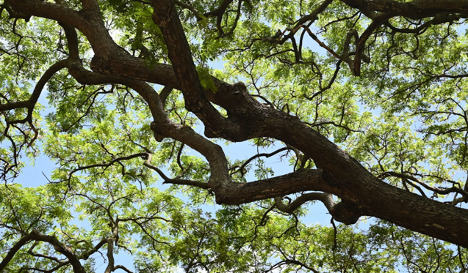
Trees are long-term investments that enhance property value, improve air quality, and contribute to environmental balance. Proper tree care ensures healthy growth, structural stability, and visual appeal while reducing the risk of disease or damage. Whether in residential landscapes or larger properties, maintaining trees requires a combination of routine attention and professional expertise. Understanding when to act and when to rely on specialists is essential to keeping trees strong and thriving.
Understand Your Trees and Their Needs
Every tree species has unique requirements related to soil type, sunlight, water, and climate. Learning the specific needs of the trees on your property allows for more effective care and prevents stress-related issues.
Observing seasonal changes, growth patterns, and leaf condition helps identify early signs of disease or nutrient deficiency. Informed care begins with understanding what healthy growth looks like for each tree.
Practice Proper Watering Techniques
Watering is critical, especially during early growth stages or extended dry periods. Overwatering can be just as harmful as underwatering, leading to root rot or weakened structures.
Deep, infrequent watering encourages roots to grow downward, improving stability and drought resistance. Adjusting watering schedules based on weather conditions supports consistent tree health.
Maintain Soil Health and Mulching
Healthy soil provides the nutrients trees need to grow. Mulching around the base of trees helps retain moisture, regulate soil temperature, and reduce weed competition.
Organic mulch also improves soil quality over time as it decomposes. Keeping mulch away from direct contact with the trunk prevents rot and pest issues.
Prune Correctly and at the Right Time
Pruning removes dead, diseased, or overgrown branches, improving airflow and structural balance. Correct pruning reduces the risk of breakage and promotes healthier growth patterns.
Improper pruning can weaken trees and invite disease. Understanding timing and technique is essential, particularly for mature or large trees.
Work With Professional Tree Surgeons
Tree surgeons specialize in the health, safety, and structural management of trees. They are trained to diagnose diseases, manage pests, and perform complex pruning or removals safely.
Engaging tree surgeons is especially important for large trees, trees near buildings, or those showing signs of decline. Their expertise ensures that interventions improve tree health without causing unnecessary harm.
Use Reliable Tree Service Providers for Maintenance
A professional tree service offers routine maintenance, inspections, and emergency support. These services help manage storm damage, prevent hazards, and maintain overall tree condition.
Tree service professionals have the equipment and experience needed to handle heavy branches, high canopies, and difficult access areas safely. Regular professional care reduces long-term risk and supports healthy landscapes.
Monitor for Pests and Disease
Early detection of pests and disease can prevent widespread damage. Changes in leaf color, unusual growths, or sudden branch dieback should be addressed promptly.
Professional assessments provide accurate diagnosis and appropriate treatment options. Proactive monitoring protects not only individual trees but surrounding vegetation as well.
Protect Trees During Construction or Landscaping
Construction activities can damage roots, compact soil, and alter drainage patterns. Protecting trees during landscaping or building projects preserves their structural integrity.
Establishing root protection zones and avoiding heavy equipment near trees reduces long-term stress and decline. Thoughtful planning ensures trees continue to thrive after projects are completed.