
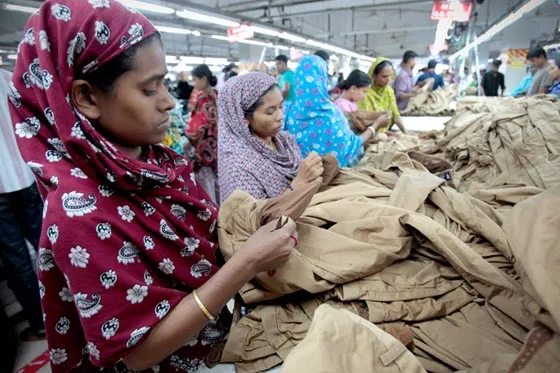
From the bustling women clothing manufacturers to the high-fashion ateliers of Paris, there is one basic aspect that remains most crucial for success and sustainability: quality assurance of the product. In the production of women’s clothing, quality assurance involves a whole and methodical process beyond mere defect identification. The brand’s image depends on this process; it also promotes customer loyalty, guarantees regulatory compliance, and finally produces profitability. From the conceptual design of the garment all the way through to the delivery of the real garment to the hands of the customer, this invisible thread connects the integrity of every garment together.
The market for women’s apparel is one that is very rigorous. Among the qualities people want from a product are excellent fit, pleasing materials, strong construction, and consistent size. They are looking for modern designs as well.
In the very competitive clothing industry, a brand’s reputation is the most valuable asset it has. When it comes to women’s clothes, trust in quality is very crucial as the choice of purchase depends much on emotional connection and personal expression. One client base that sees the brand’s products as consistent, long-lasting, and worth the possible cost is one that is committed to a firm that always provides high-quality clothes to its consumers. The reverse is also true: one batch of defective clothing might quickly wipe years of labour gone into building a brand.
Making Sure Customers Are Happy While Reducing Returns
One cannot underline the close link that exists between customer delight and quality assurance. Well-made apparel that fits the customer enhances their complete experience, which in turn generates positive comments and more sales. Conversely, poor quality is the main reason for product returns, which cause significant costs for manufacturers and stores. Apart from administrative overhead, these costs include reverse logistics, inspection, repackaging, and, correspondingly, potential of repair or disposal.
Following Legal Criteria And Respect Of Safety Standards
Regarding environmental impact, labelling, and product safety, the apparel industry is subject to a lot of guidelines enforced both domestically and internationally. Regarding women’s clothes, this might include exact standards for flammability, colour fastness, the presence of harmful chemicals (like AZO dyes), and textile composition labelling. Quality assurance teams are very crucial in making sure that every item follows these complex and occasionally shifting guidelines.
Ignoring rules might have major repercussions including expensive penalties, forced product recalls, brand boycotts, and legal action. One might even impose further fines. Non-compliance might cause significant harm to clients, including health issues or safety concerns, which would be devastating for the public view of a company. This goes on top of the possible legal fines. Testing products to guarantee they are safe, robust, and correctly marked falls to QA teams. These tests also provide vital traceability and documentation to confirm that all relevant criteria are followed. The proactive control of compliance is one of the most crucial features of ethical production.
Two Top Concerns Are Controlling Expenses And Raising Manufacturing Efficiency
Although quality assurance is frequently seen as an extra cost, when it is effectively integrated it really improves production efficiency and over time reduces overall costs. Early discovery of mistakes in the manufacturing process helps to stop them from propagating farther down the production line.
It also helps to guarantee that parts meet criteria before they advance to the next level, therefore removing manufacturing line congestion. This increases improved production flows. Furthermore, extensive quality assurance reports provide valuable information that may improve procedures. Through failure pattern analysis, producers may find underlying causes—which can be faulty equipment, inadequate training, or inferior raw materials. They could then take corrective action, always enhancing their production techniques to get better efficiency and economy of cost.
Every Company Should Have A Culture Of Excellence Throughout
Apart from technical inspections, thorough quality assurance programs help to build a quality culture that penetrates the complete manufacturing company. From the person creating the designs to the person running the sewing machine to the person packing the goods, every employee should understand the value of their participation to the general quality of the product. This will inspire group responsibility and pride in the quality of the work.
Regular training courses, detailed quality guidelines, and visible quality inspections help one to execute this mentality. Employees become more proactive as they pay more attention to detail, take more responsibility for their tasks, and have greater chance to spot and document probable issues early on. This proactive involvement—which is supported by a strong quality assurance system—results in fewer flaws, better morale, and a team more committed to providing great clothing.
Keeping Competitive In A Diverse Market
Quick trend cycles, more customer sophistication, and intense global competition define the women’s apparel market. Global markets reflect these qualities in all their entirety. Manufacturers must be not just agile in their design but also perfect in their execution if they are to succeed in this environment. Among the most crucial differences in a competitive market is quality. Well-known for their consistent quality, brands may charge more, have greater brand loyalty, and withstand market volatility in terms of circumstances.
Thanks to quality assurance, manufacturing organisations can confidently support their products as they are sure they satisfy the stringent criteria of modern female consumers.
Conclusion,
Regarding the manufacturing of women’s clothes, quality control is much more than simply a final check; rather, it is a whole strategic necessity including integration. Quality assurance affects many facets of a business, including the preservation of a brand’s reputation and the guarantee of customer happiness, the management of challenging regulatory environments, the improvement of manufacturing, and the evolution of a culture that values excellence. Women Readymade Garment Manufacturers are able to include quality into every and every garment by means of the exact attention to detail, rigorous adherence to standards, and continuous pursuit of perfection, therefore guaranteeing their success in the always shifting realm of fashion.