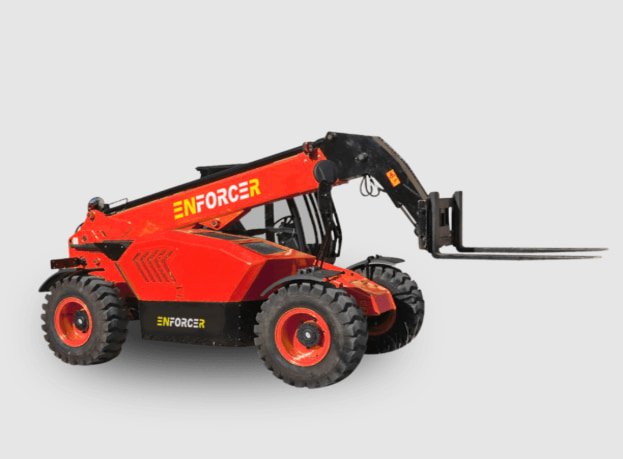
A site supervisor once said his worst weeks were never about missing tradesmen, they were about tradesmen standing around with nothing to actually do. That’s the exact gap telehandler hire in Perth tends to fix, quietly, before anyone even names it as the problem. Nobody blames a stuck pallet the same way they blame a missing bricklayer, yet the delay costs roughly the same either way. The strange part is how often this gets misdiagnosed as a labour issue, right up until someone actually watches the site properly. Builders who’ve sorted this out talk about scheduling completely differently afterwards.
The Bricklayer Who Wasn’t Actually Slow
A supervisor kept getting frustrated with a bricklaying crew falling behind schedule week after week, assuming they simply weren’t working fast enough. Watching them for a morning told a different story entirely, they spent most of it waiting for blocks to reach the first floor. Materials sat at ground level the whole time, with nobody able to move them up quickly enough to keep pace. Once a telehandler started feeding blocks directly to height, the same crew finished two days ahead of schedule the following week. Nobody had changed the bricklayers. The bottleneck had simply moved, and removing it exposed how capable the team actually was all along. It’s a mistake plenty of supervisors make, blaming people for a problem that was really about logistics.
The Site Where Scaffolding Kept Getting Cancelled
A builder working on a two-storey renovation had scaffolding booked twice, then cancelled twice, because access kept proving more complicated than expected. A telehandler with proper reach solved what scaffolding was meant to solve, placing materials directly where they were needed without the extra structure. That single change removed an entire layer of planning, permits, and cost that had been quietly dragging the project sideways. The builder mentioned afterwards that he’d never actually needed scaffolding for that job, he’d just never considered the alternative properly. Reach, it turns out, changes what a site manager assumes is even necessary in the first place. Sometimes the fix isn’t more equipment, it’s realising one machine can replace an entire planned structure.
The Sandy Block That Swallowed a Forklift
A residential build near the coast lost half a day when a standard forklift sank into soft, sandy ground during delivery. Nobody had anticipated the terrain being a problem until the machine was genuinely stuck, blocking the only access route in. A telehandler brought in afterwards handled the same ground without issue, its wider wheelbase simply suited to conditions the forklift wasn’t built for. The site manager now checks ground type before booking equipment, a habit built entirely from that one frustrating, wasted afternoon. Perth’s terrain varies more than people assume, and equipment chosen without considering it becomes the delay rather than the solution.
The Injury That Never Happened Because Nobody Had To Lift
A framing crew used to manually carry heavy trusses up ladders, a task everyone accepted as simply part of the job. After a near-miss, the site brought in a telehandler specifically for that lift, removing the manual carrying entirely from the process. Nobody talked about it as a safety initiative at the time, it just became the obvious way to get trusses up safely. Months later, the supervisor mentioned they hadn’t had a single lifting-related injury since making that change permanently. That absence, nothing happening, is easy to overlook, yet it’s exactly the outcome the equipment was actually protecting against quietly.
The Machine That Only Showed Up When Needed
A contractor managing several small projects simultaneously used to own a single piece of lifting equipment, forcing every site to wait its turn. Switching to hiring meant each project got the actual machine it needed, sized correctly for that specific job’s height and reach. He mentioned finally not forcing a small renovation to work around equipment really meant for something considerably larger. That flexibility, choosing rather than making do, changed how efficiently his smaller projects moved compared with previous years.
Conclusion
Construction delays rarely look like delays at first, they look like slow crews, cancelled scaffolding, or ground that swallows machinery unexpectedly. Choosing proper telehandler hire in Perth addresses these problems at their actual source, rather than treating symptoms individually and repeatedly. From bricklayers freed from waiting to sites that stopped needing scaffolding entirely, the pattern repeats across very different projects. Builders who’ve made this switch describe fewer mysteries, fewer days lost to problems nobody could initially explain properly. It’s rarely about the machine itself, more about what stops going wrong once materials finally move where they’re needed.